
How to Start a Business in Singapore: A Comprehensive Guide
- Roger Pay

- Dec 29, 2025
- 4 min read
Embarking upon the journey of establishing a business in Singapore necessitates a thorough understanding of the procedural, legal, and operational frameworks that govern commercial activities within this dynamic city-state. The process, while streamlined and efficient, demands meticulous attention to detail and adherence to statutory requirements. This guide aims to elucidate the essential steps and considerations involved in how to start a business in Singapore, thereby facilitating a smoother transition from conceptualization to operationalization.
Understanding the Fundamentals of How to Start a Business in Singapore
The initial phase of business formation in Singapore involves selecting the appropriate business structure, which fundamentally influences taxation, liability, and regulatory compliance. The most prevalent forms include sole proprietorships, partnerships, limited liability partnerships (LLPs), and private limited companies (Pte Ltd). Among these, the private limited company is often preferred due to its separate legal entity status, limited liability protection, and favorable tax treatment.
Following the determination of the business structure, the registration process with the Accounting and Corporate Regulatory Authority (ACRA) must be undertaken. This involves reserving a unique business name, submitting the requisite incorporation documents, and paying the prescribed fees. It is imperative to ensure that the chosen business name complies with ACRA’s guidelines, which prohibit names that are identical or similar to existing entities, offensive, or infringe upon trademarks.
The operational prerequisites extend beyond registration to include obtaining necessary licenses and permits, depending on the nature of the business activities. For instance, food and beverage enterprises require licenses from the Singapore Food Agency, while financial services necessitate approval from the Monetary Authority of Singapore. Compliance with these regulatory requirements is non-negotiable and must be addressed prior to commencing business operations.

Singapore’s commercial district exemplifies the vibrant business environment conducive to enterprise growth.
Essential Steps and Practical Recommendations for Business Registration
The procedural roadmap for business registration in Singapore can be delineated into a series of methodical steps, each demanding precise execution:
Name Reservation: Submit an application to ACRA to reserve the business name. This step typically takes less than an hour if the name is available and compliant.
Preparation of Incorporation Documents: These include the company constitution, particulars of directors, shareholders, and company secretary, as well as the registered office address.
Filing with ACRA: Submit the incorporation documents electronically via the BizFile+ portal. The registration fee is SGD 300 for a private limited company.
Post-Incorporation Compliance: Upon successful registration, the company must appoint an auditor within three months unless exempted, and maintain proper accounting records.
It is advisable to engage professional services, such as corporate secretaries or business consultants, to navigate the complexities of compliance and documentation. This approach mitigates risks associated with procedural errors and ensures adherence to statutory deadlines.
Can a Foreigner Set Up a Business in Singapore?
The regulatory framework in Singapore is notably accommodating to foreign entrepreneurs, permitting non-residents to establish and own businesses with minimal restrictions. Foreigners may incorporate a private limited company, provided that at least one director is a resident of Singapore. This requirement can be fulfilled by appointing a local director or utilizing nominee director services offered by professional firms.
Moreover, foreigners intending to reside and manage their business in Singapore must obtain the appropriate employment pass or entrepreneur pass. The EntrePass scheme, for example, is designed to facilitate the entry of foreign entrepreneurs who intend to start and operate innovative businesses in Singapore.
It is crucial to recognize that while foreign ownership is permitted, compliance with immigration and employment regulations is mandatory. Failure to adhere to these requirements may result in penalties or revocation of business licenses.

Business registration documents are essential for legal compliance and formal incorporation.
Financial and Tax Considerations in Singapore Business Setup
Singapore’s tax regime is characterized by its simplicity and competitiveness, which significantly benefits new and established enterprises. The corporate tax rate is a flat 17%, with various incentives and exemptions available to reduce the effective tax burden. For instance, newly incorporated companies may qualify for tax exemptions on the first SGD 200,000 of chargeable income for the initial three years of assessment.
In addition to corporate tax, businesses must consider Goods and Services Tax (GST) registration if their annual taxable turnover exceeds SGD 1 million. GST is levied at a rate of 8% (as of 2023) on most goods and services supplied in Singapore.
Financial management also encompasses the maintenance of proper accounting records, preparation of annual financial statements, and submission of tax returns to the Inland Revenue Authority of Singapore (IRAS). Engaging qualified accountants or financial advisors is highly recommended to ensure compliance and optimize tax planning.
Operational and Human Resource Management for Business Success
The operational phase of a business in Singapore involves not only compliance with statutory requirements but also the effective management of human resources and administrative functions. Employment laws in Singapore mandate adherence to the Employment Act, which governs terms of employment, salary payments, working hours, and dispute resolution.
Recruitment of local and foreign talent requires understanding of work pass requirements, including Employment Pass, S Pass, and Work Permit schemes. Employers must also contribute to the Central Provident Fund (CPF), a mandatory social security savings plan for Singaporean employees.
Furthermore, businesses must implement robust internal controls, risk management policies, and corporate governance practices to sustain growth and mitigate operational risks. Outsourcing administrative, financial, and HR functions to specialized service providers can enhance efficiency and allow business owners to concentrate on strategic objectives.
Navigating the Complexities of Singapore Business Setup with Expert Assistance
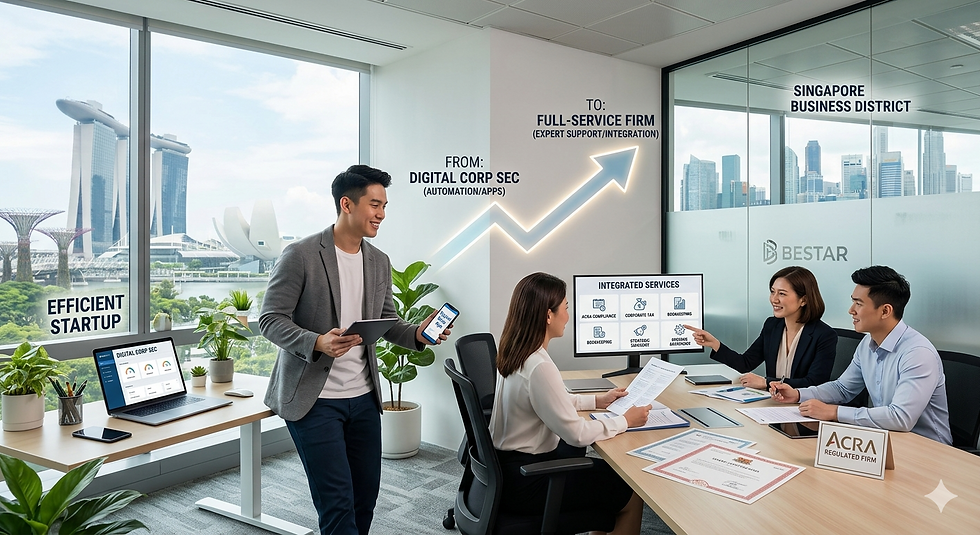
The multifaceted nature of establishing and operating a business in Singapore necessitates access to comprehensive support services that can simplify administrative, financial, and regulatory challenges. Bestar, for example, positions itself as a strategic partner offering an integrated suite of services tailored to the needs of businesses at various stages of development.
By leveraging such expertise, businesses can benefit from streamlined company incorporation, compliance management, accounting and tax advisory, payroll administration, and human resource consultancy. This holistic approach not only ensures regulatory adherence but also fosters an environment conducive to sustainable business growth.
In conclusion, the process of how to start a business in Singapore, while intricate, is rendered manageable through informed planning, adherence to legal requirements, and engagement with professional service providers. The strategic advantages offered by Singapore’s business ecosystem, coupled with diligent execution of setup procedures, position enterprises for success in this vibrant market.


Comments